1. Listen first
The team asks what the resident wants to keep and what worries them most. Nothing starts until those answers are heard.
Okeechobee, FL · Okeechobee County
Is a house in Okeechobee full of belongings, spoiled food or signs of pests? Call (877) 812-4220 to reach a hoarding cleaning company for sorting, haul-away, sanitizing and follow-up planning.
If anyone is in danger, call 911 first. For a suicide crisis, call or text 988.
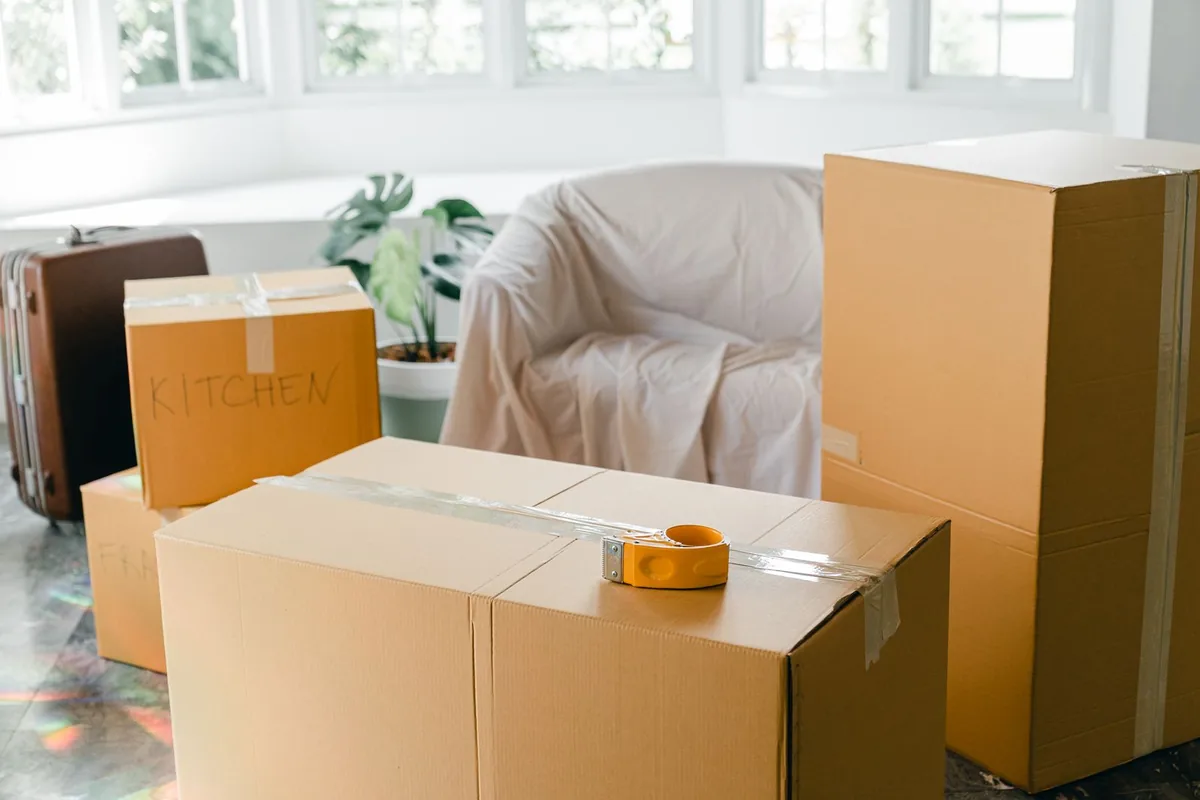
Hoarding cleanup is the safe clearing and cleaning of a home that has become too full of belongings to use as intended. It is also called hoarder cleanup, hoarding cleaning or hoarder clean up.
If you need hoarding cleanup for a home, apartment or rental in Okeechobee or anywhere in Okeechobee County, you can get it at a pace that suits the resident. Call Okeechobee Biohazard Cleanup Help to work with residents, relatives, landlords and property managers.
About 45% of households in Okeechobee rent, so many hoarding cleanups here are driven by a lease, an inspection or a landlord deadline. About 47% of homes in Okeechobee were built before 1980, and older wiring, narrow halls and small closets make a crowded house more of a fire risk.
The work often covers:
The team asks what the resident wants to keep and what worries them most. Nothing starts until those answers are heard.
Hauling routes are marked, trash bags and bins are set up, and protective equipment is put on. The neighbors are considered, too.
Crews sort, bag and haul in a set order. The pace follows what the resident can handle.
Each room is cleaned and disinfected once it is clear. Kitchens and bathrooms get the closest attention.
Hoarding cleanup in Okeechobee, FL typically costs $500 to $25,000, depending on the size of the affected area and the materials involved.
Hoarding cleaning prices change with the level of buildup. Lighter jobs are mostly sorting and hauling, while heavier ones may add pest damage, mold, ruined flooring or waste that needs special handling.
| Type of job | Typical range |
|---|---|
| Level 1, light | $500 - $1,500 |
| Level 5, severe | $10,000 - $25,000+ |
| Level 4 | $5,000 - $15,000 |
| Most homes, per square foot | $1 - $2 per square foot |
Figures are planning ranges from Dropcurb, Lifecycle Transitions, not a price for any specific Okeechobee property. Price drivers include level of accumulation, home size, whether exits and rooms are blocked, pests or animal waste. Call (877) 812-4220 any hour.
Yes. The resident decides what stays, what is donated and what is removed. Valuables, documents, photos and medicine are set aside first, and nothing leaves the home without agreement.
Usable items go to donation or recycling where possible. Spoiled, damaged or unsafe items are disposed of correctly, and waste that may carry germs is handled as regulated medical waste.
Small habits, such as one clear surface a week, help. Ongoing support from a doctor, counselor or local group can make progress last. The team can talk through simple upkeep ideas at the end of the job.
Not always, but it often helps. When the resident is present, sorting goes more smoothly and decisions are respected. If the resident cannot attend, the family or caller can set clear rules about what is kept.
Hoarding disorder is a recognized mental health condition. Whether it counts as a disability for housing or work depends on the situation and the law. A tenant rights group, a housing agency or an attorney can answer for a specific case.
There is no single age. Hoarding behaviors can begin early in life and often become more noticeable over time, so many families only seek help later. A doctor can speak to an individual situation.
Residents, relatives and landlords are all welcome to call.
Call (877) 812-4220